Let’s go back to the 1980s. 1986 to be precise. Madonna’s True Blue was the defining album of the year. The hand coloured Herb Ritts photo of her with bleached blonde hair thrown back and leather jacket draped below her shoulders was The Moment. Space Shuttle Challenger exploded at the start of the year, and not long after that Chernobyl went into meltdown. After several seasons as one of the hottest events on the global style calendar, London Fashion Week was cooling off. The March shows at Olympia include John Galliano’s Forgotten Innocents collection, inspired by children’s dressing up boxes, with lots of sculptural handknits and headdresses made from playing cards. It got rave reviews but not much of it went into production. Vivienne Westwood took a season off. Hugh Laurie accompanied Leigh Bowery to film what would be the last BodyMap show for a while, for the TV show South of Watford (the episode is on YouTube and a superb watch). “Fashion has become mainstream” says Laurie, before going on a nightlife safari with Leigh to Taboo. Business may have been a bit in the doldrums, but upstairs at the now demolished, once cavernous Olympia centre, there were new stars on the rise. Fashion history was being made. It was the first visit to London by Antwerp’s future stars of design.
The story remains remarkable and unlikely to be repeated anytime soon. It’s about when anything was possible in fashion.
“We had begged the British Fashion Council to let us in,” says Geert Bruloot, the Belgian retail entrepreneur who was with them at the time and who supported them most. “They gave us a tiny area on the second floor in between the bridal gowns and rubber sex toys. We’d had big expectations, but no one came to see us. Then we photocopied a flyer and passed them around downstairs. A buzz started going around that something important was going on and the buyers from Barneys came and placed the first order.”
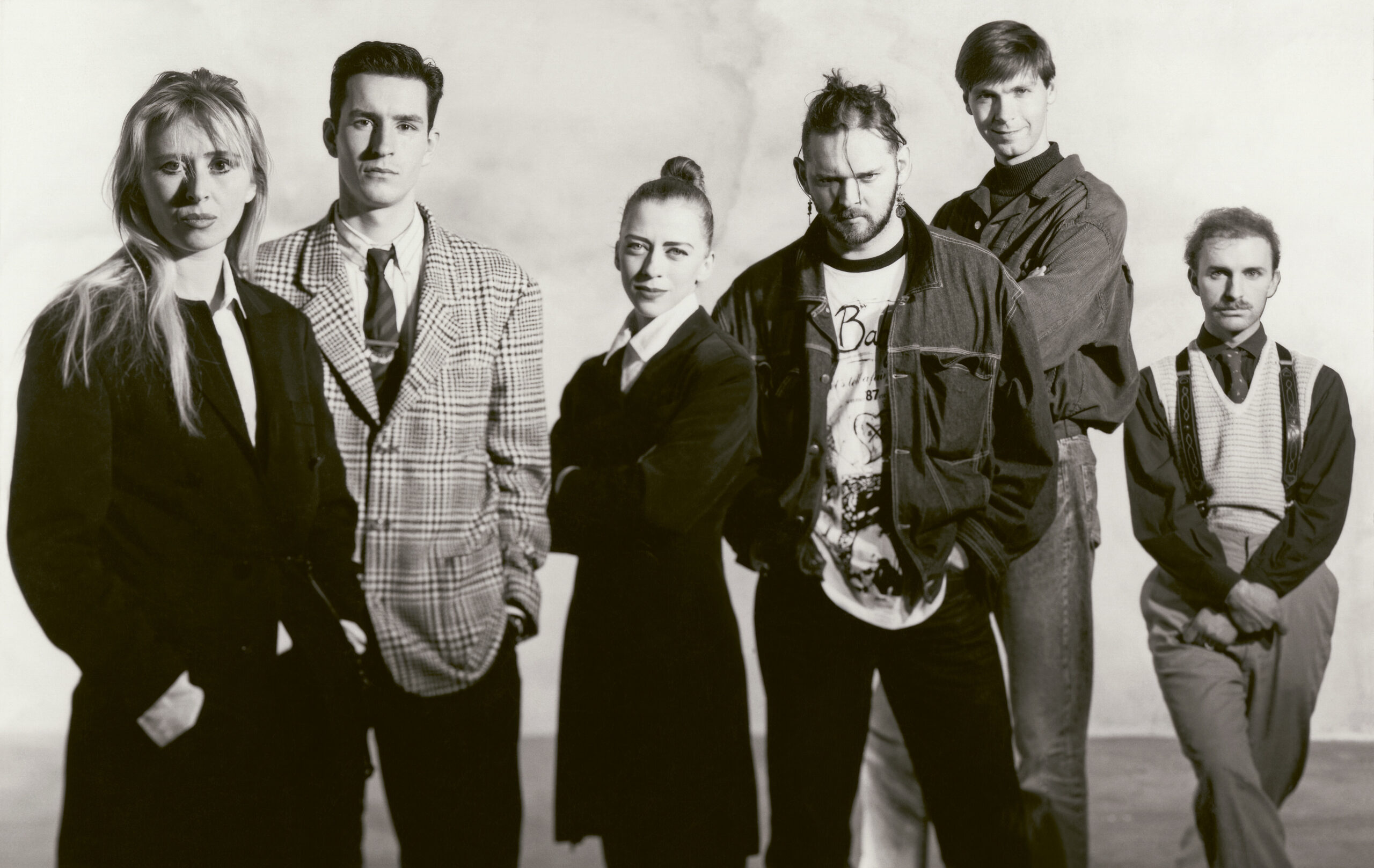
The Antwerp Six, 1986, © Photo: Karel Fonteyne
Much has been written about the designers who made up the Six — Ann Demeulemeester, Marina Yee, Dries Van Noten, Dirk Bikkembergs, Dirk Van Saene and Walter Van Beirendonck, all graduates of the Royal Academy of Fine Arts in Antwerp — and how five of them hired a tiny van to drive from Belgium to debut their work in the British capital in 1986. (Demeulemeester wasn’t able to join them on that first visit to London but sent some of her work with them.) Martin Margiela is often mistakenly added to the list; he would have been in the van if he hadn’t already taken a job in Paris with Jean Paul Gaultier.
A 40th anniversary retrospective of the Antwerp Six, examining their story and legacy, is on at MoMu in Antwerp until January 2027. The show — curated by Bruloot, along with the museum’s own Romy Cockx and Kaat Debo, and with the full involvement of the surviving members of the Six — unravels the myth and explains why such a disparate group of designers, with almost nothing in common in terms of their style, changed the fashion world for ever. The story remains remarkable and unlikely to be repeated anytime soon. It’s about when anything was possible in fashion.
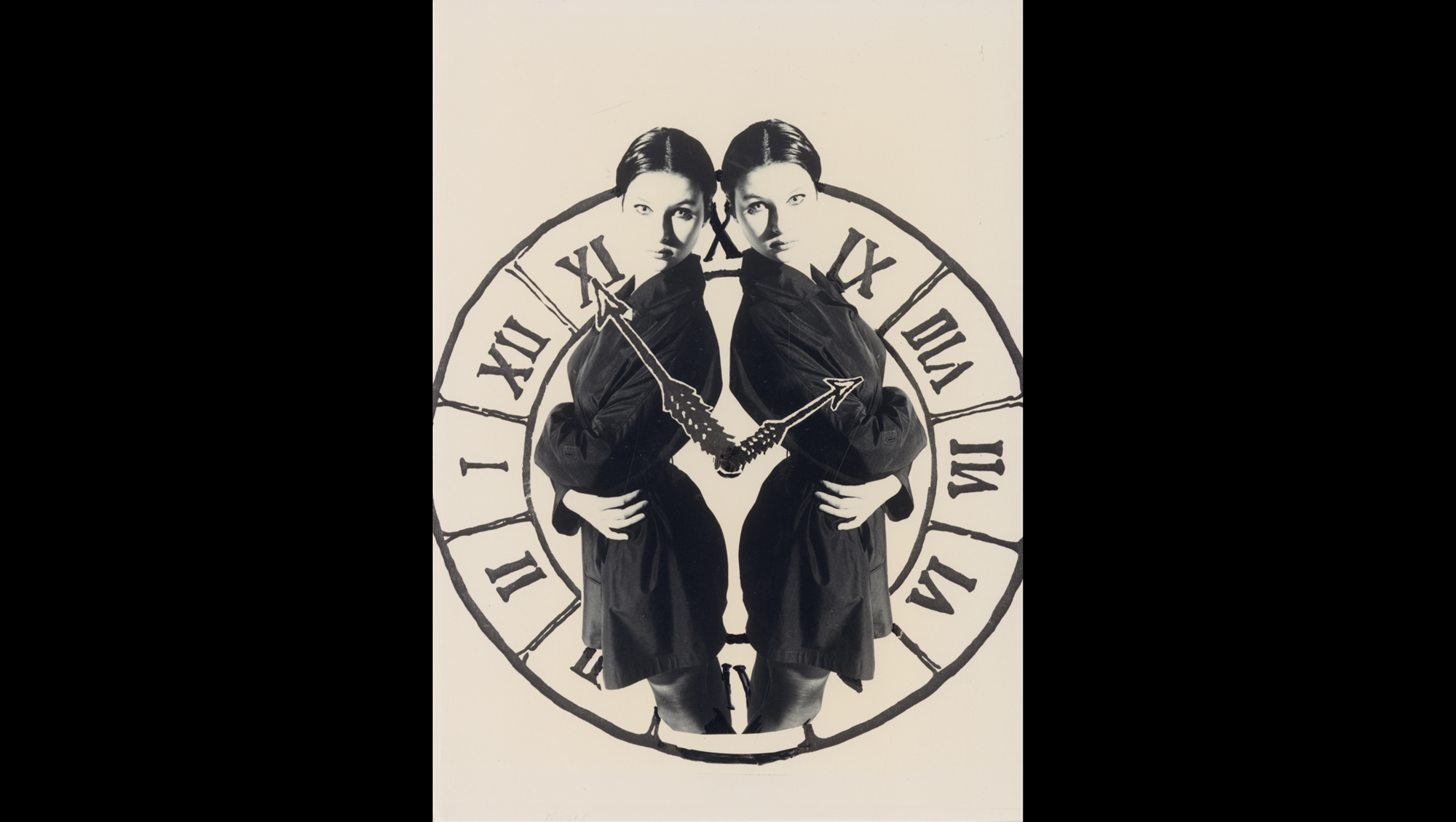
Marina Yee, Marie by Marina Yee, Autumn/Winter 1985-1986, © Photo: Frank Pinckers
“I remember it as one big adventure,” says Van Beirendonck, who went on to become the cyberpunk daddy of the industry, as much a pop artist as a designer. “It was pure excitement — we were finally out of Belgium and able to show to an international audience. The synergy between all the designers gave us wings. Our enthusiasm was real. No marketing, no commercial strategy.”
Apart from Olympia turning out to be a great business move, that trip in the van was about cultural exchange. London in 1986 was the centre of the universe for club culture, and the idea of “the stylist” had just been born. “We felt so welcome,” Van Beirendonck says. “There was a young dynamism in the air. We went out to Taboo and Club for Heroes. We had been fascinated by Vivienne and Malcolm’s Sex, Worlds End and Nostalgia of Mud stores. We went to see that BodyMap show with Leigh Bowery. It really felt like the fashion capital of Europe.”
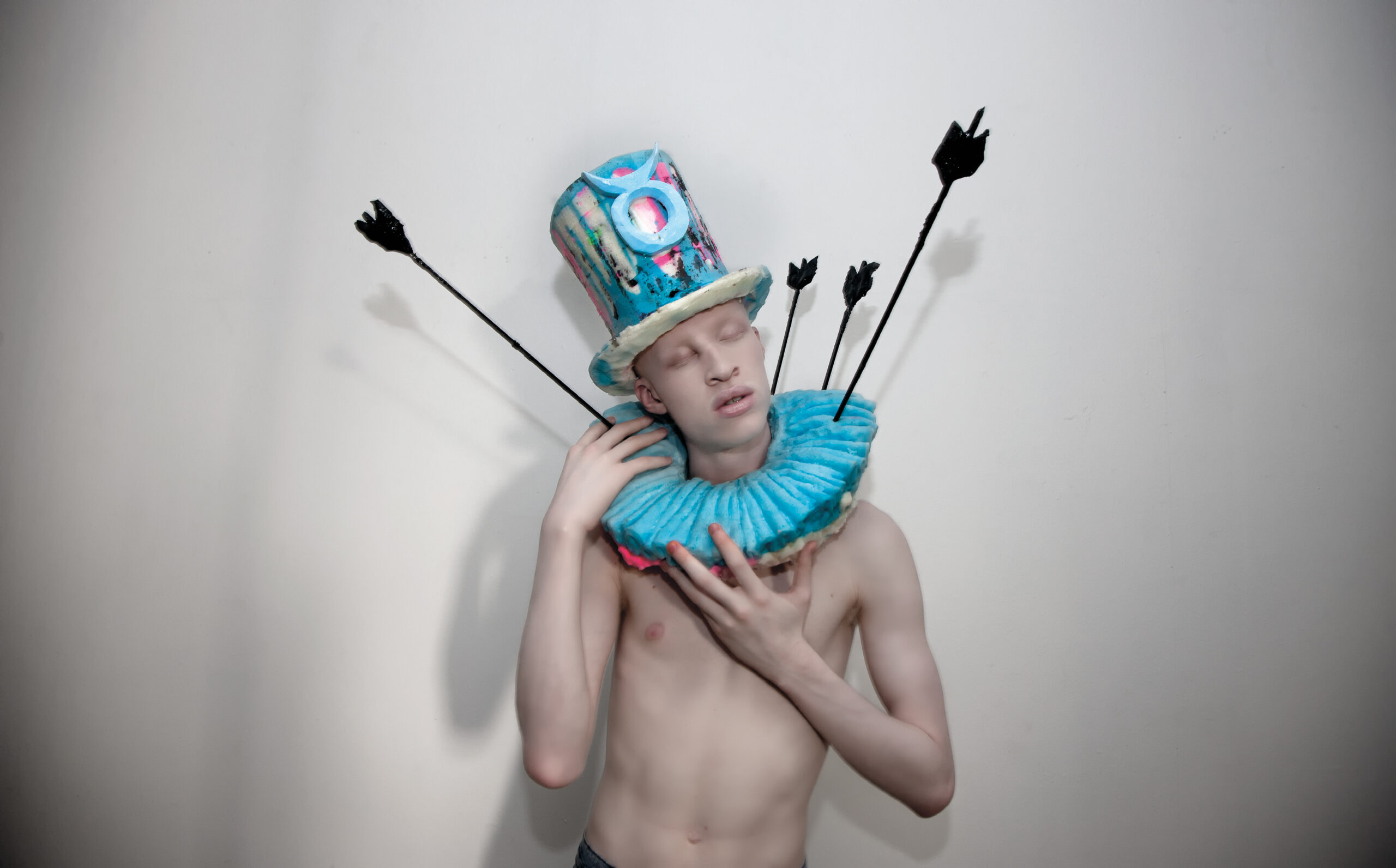
Walter Van Beirendonck, SILENT SECRETS, Spring/Summer 2013, © Photo: Ronald Stoops
It was the first of several trips to London for the Six, before they decamped to Paris and ultimately established Antwerp itself as a fashion capital. Each of their careers would take a different path, but they sustained themselves in ways the British designers didn’t.
“They were all very pragmatic,” Bruloot says. “Dries was already working within the industry to pay for his studies and he brought that knowledge into the group.” Meanwhile, in London, designers were manically taking orders they couldn’t afford to fulfil. As Bruloot explains, the Six were savvy: “They knew how the system worked. Each of them had saved funds to guarantee production. Ann would only take orders for what she knew she could deliver.”
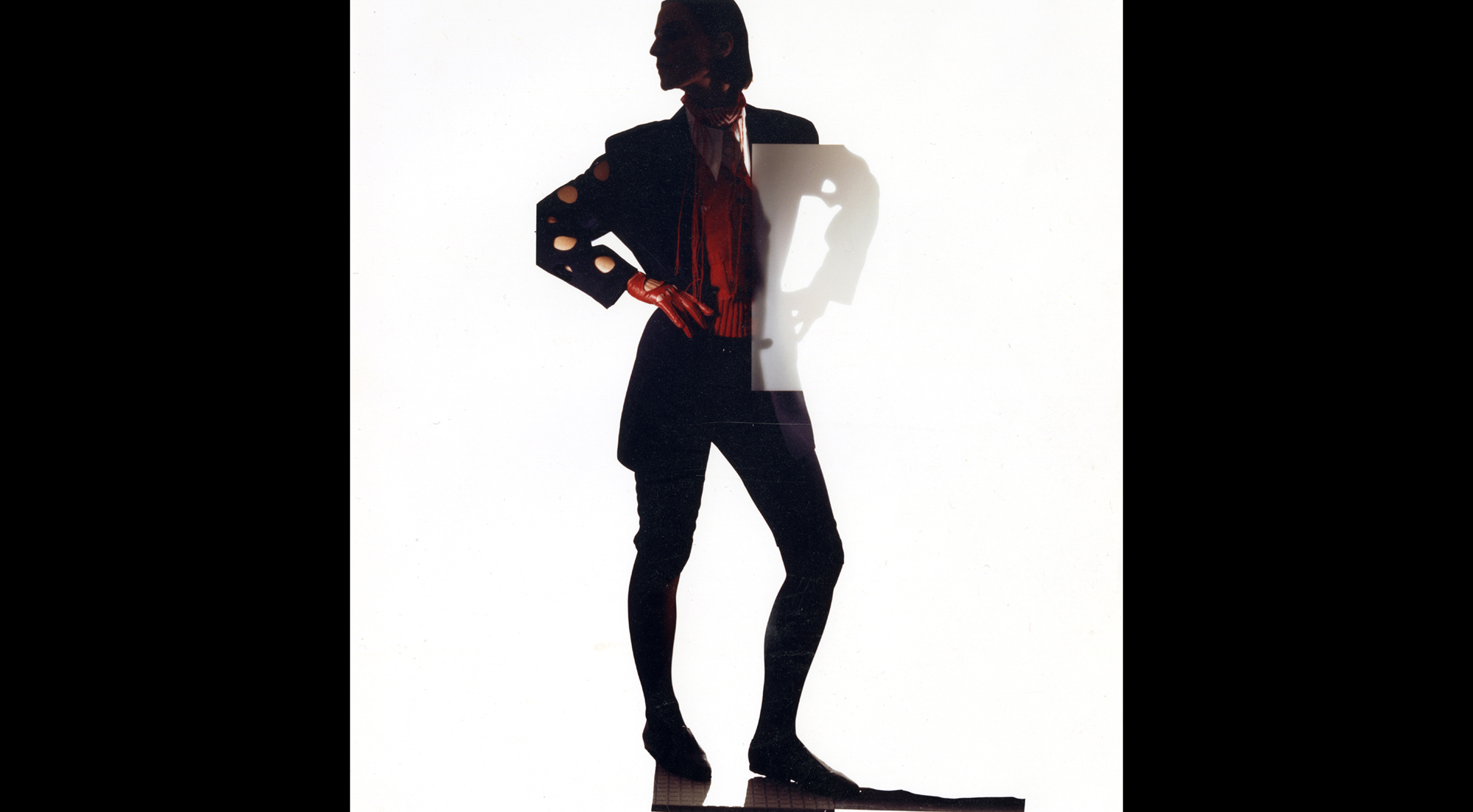
Dirk van Saene, Spring/Summer 1988, © Photo: Henze Boekhout
Today, Demeulemeester, Van Noten and Van Beirendonck are some of the most recognisable names in high fashion. Bikkembergs is still a big deal in athleisure, having created football kits and formalwear for international teams including Inter Milan. Van Saene shifted into fine art at the start of the 2020s and now works almost exclusively as a sculptor. The most poignant aspect of the new exhibition, however, is Yee’s involvement. The designer, known for her modernist, deconstructed style, died last November of pancreatic cancer aged 67.
Even though she sold clothes, she never functioned in the traditional fashion system because she was a bohemian and an artist
“The myth of the Six will go on,” Bruloot says. “Marina was an inspiration for all of us, including Martin Margiela, who she was so close to [the two were in a relationship at one point]. Even though she sold clothes, she never functioned in the traditional fashion system because she was a bohemian and an artist. Bikkembergs told me that he wasn’t sure about going to the Royal Academy. He was thinking about doing law. He remembers visiting the school and seeing a girl running in with long blonde hair and a white army parachute coat that was billowing as she walked. It was Marina. Dirk said that when he saw her, he suddenly understood what fashion was and could be.”
Yee worked on the retrospective while she was terminally ill. “We haven’t had to change anything in the exhibition,” Debo says. “The Six didn’t co-curate but it was important for it to be a fully authorised show. It was a chance for them to help tell their own story. As we worked on the show they became more and more aware they have written a part of fashion history and are proud of that. As soon as Marina became sick she really devoted herself to working on the exhibition. And the others will all be coming to the opening.”
The show contains ephemera and work by the designers from their student and London days through to today. “It was never a collective, and never a brand,” Debo says. “They never actually worked together.”
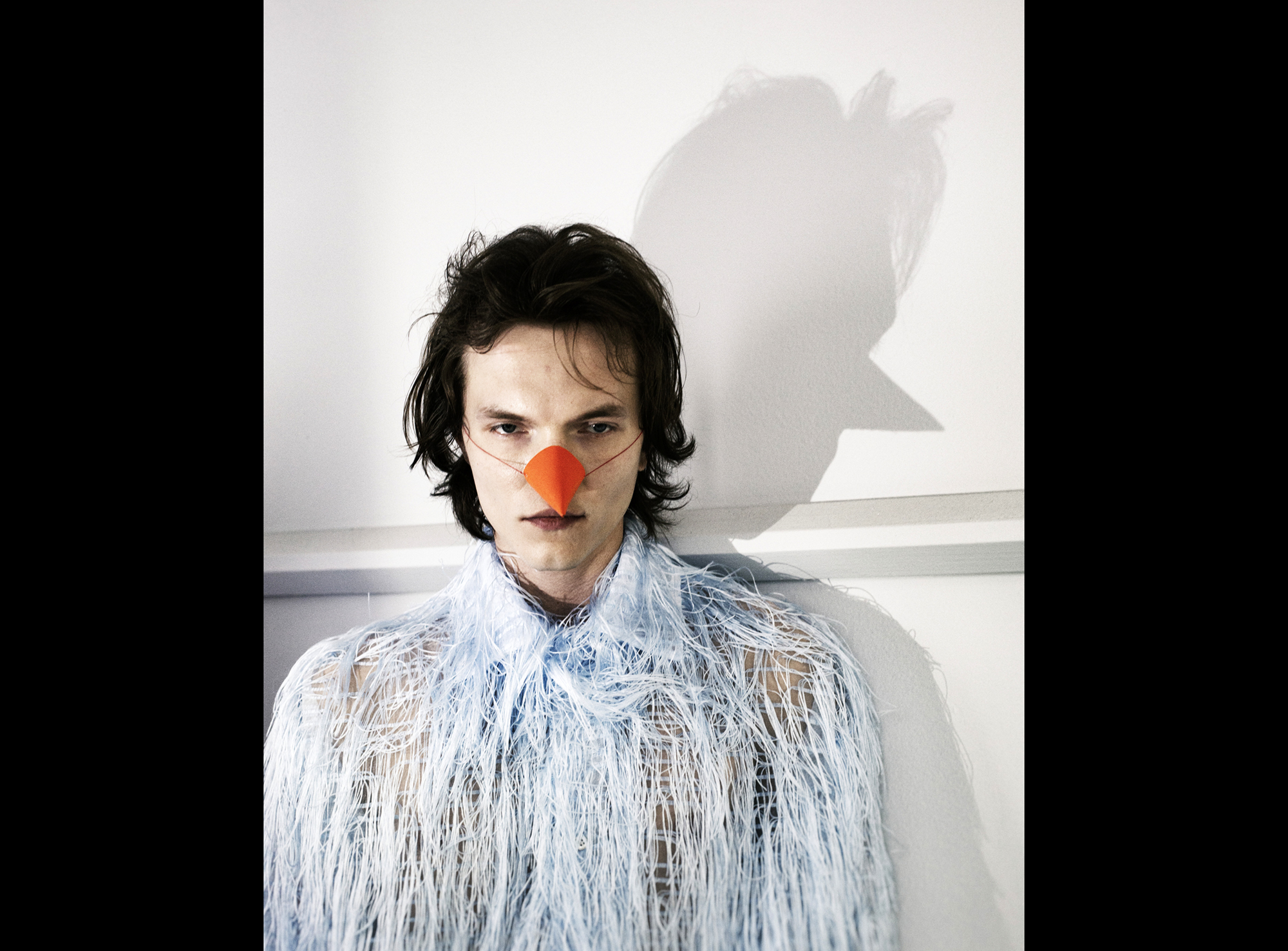
Walter Van Beirendonck, I HAVE SEEN THE FUTURE…, Spring/Summer 2025, © Photo: Alex Conu
That may be, but it’s the fact that they arrived — quite literally in London — at the same time that is so significant. As with the indie film-makers of France in the 1960s and the US in the 1970s, their individuality made them a movement. Without them there wouldn’t have been Raf Simons (who interned with Van Beirendonck) and without Simons there wouldn’t be the Prada we have today. Gucci’s creative director, Demna, is another Royal Academy of Fine Arts Antwerp graduate and went on to work at Maison Martin Margiela before reshaping Balenciaga. Haider Ackermann, also a Royal Academy alumnus, is an insider name who is now taking Tom Ford forward, while Chanel’s Matthieu Blazy first shaped his aesthetic studying in Belgium before working with Simons and Margiela.
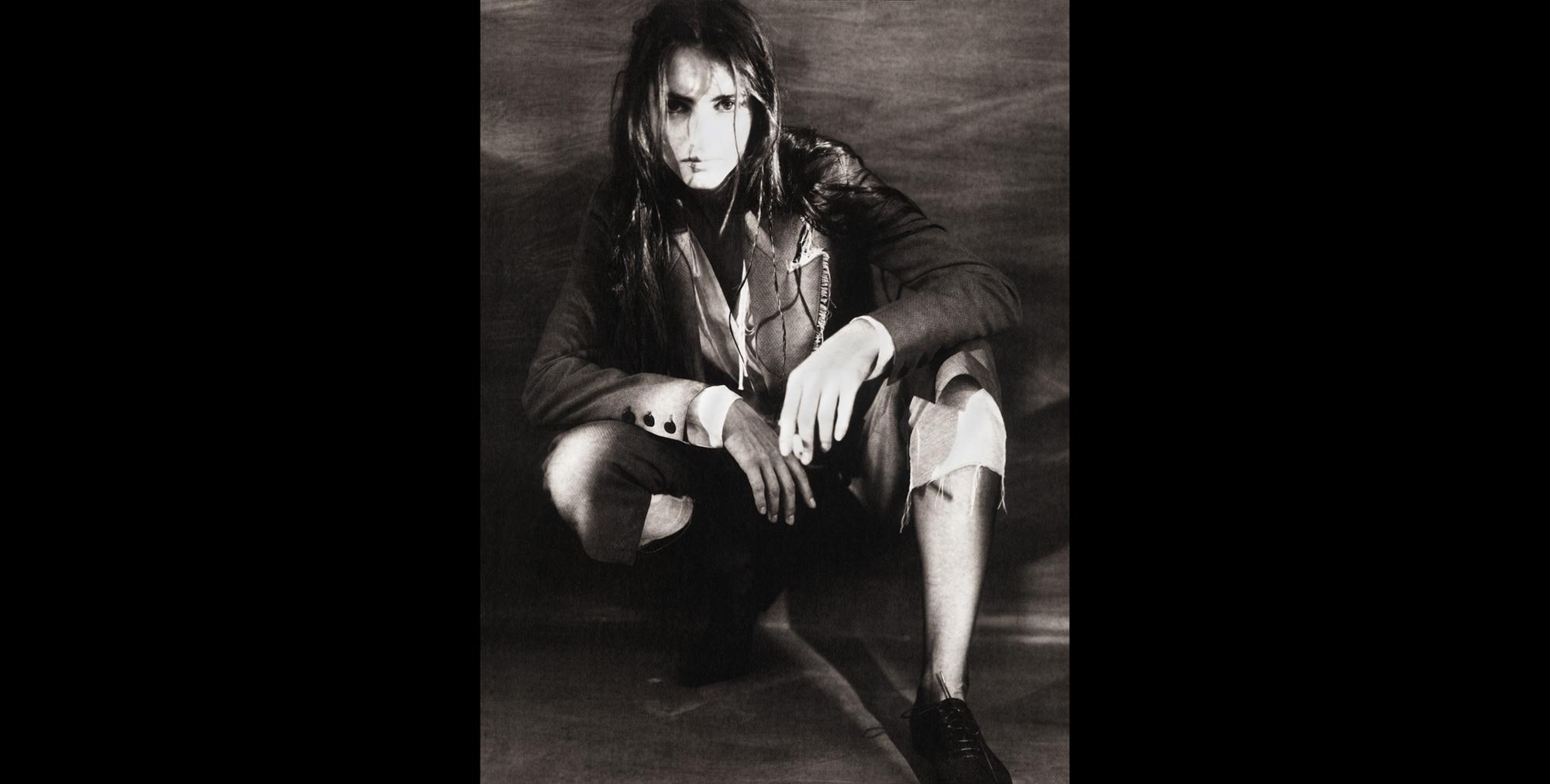
Ann Demeulemeester, Spring/Summer 1990, © Photo: Patrick Robyn
There are some marvellous moments in the stories of the original Six that overlap — like Bruloot opening a store in Antwerp, and Demeulemeester coming in, in 1990, to buy one of the first pairs of the divisive (google them!) Margiela Tabi shoes (Bruloot was the person who introduced Margiela to the factory that could make them). Of course, the rise of the Antwerp Six was at a time before every moment of every day was documented, so there aren’t as many images or videos of their ascendency as there would be today. But that just contributes to the myth.
Today Antwerp is as important — and cool — as anywhere on the fashion map, and it has given us, directly or otherwise, everything from the Tabi shoe and modern menswear silhouettes to the exquisite beading and ethereal beauty seen at Blazy’s recent Chanel couture show. The impact of the Six just keeps on multiplying. C
momu.be