


Loa and behold: Queer voodoo in NoLa
From vodun to vodou to voodoo, craft has a lot of meanings in New Orleans, and a whole new generation of believers
From vodun to vodou to voodoo, craft has a lot of meanings in New Orleans, and a whole new generation of believers
Another day in New Orleans, another reason to dress up and party. On 23rd June or thereabouts each year, Jewish vodou priestess Sallie Ann Glassman gears up to officiate the main event to mark St. John’s Eve and the summer solstice. Guests all wear white and head to International House Hotel, taking part in a head washing purification ceremony, and dancing with abandon to trance-inducing drums in front of a 10-foot papier- mâché statue of 19th century voodoo queen Marie Laveau. Themed cocktails will be served in the Loa Bar at the hotel and the party will roll out across the city all weekend. There’s a pun for those in the know: Loa is the vodou name for spirits of the disembodied kind.
Vodun blended with Catholicism (to keep the former clandestine), and vodou was born
Everybody knows about herbalist and hairdresser Laveau, and every visitor traces her life story through the French Quarter when they come to New Orleans for the first time. It was Laveau who inaugurated the St. John’s Eve ceremony a century and a half ago. Today, devotees leave hair clips in their hundreds on the windows of the rebuilt house as a token of good luck, while tours offer a beginner’s guide to the differences between vodou and voodoo. Both branches of the religion have their roots in the millennia-old vodun of West Africa, still a dominant creed across the Atlantic. When the Spanish colonised Haiti in the 15th century, they brought slave labour from Africa along with enforced baptisms. Vodun blended with Catholicism (to keep the former clandestine), and vodou was born. After the Haitian revolution in 1791, French plantation owners fled to Louisiana, and vodou mingled with American Indian and Creole culture, creating voodoo.
The Voodoo Museum
Largely racist sensationalism demonised the religion for centuries. Pop culture fed disinformation, from the 1940s writings of Robert Tallant to the guilty pleasures of James Bond in Live and Let Die, and the “evil eye” packets of Zapp’s potato chips at supermarkets today. Back in Haiti, an island sadly unsafe to visit at present, vodou has been a constant, with a recent surge in popularity as people seek solace from gang violence. In NoLa it’s a living, breathing, belief that has little to do with the tourist kitsch branding its peripheries.
The Mardi Gras Museum
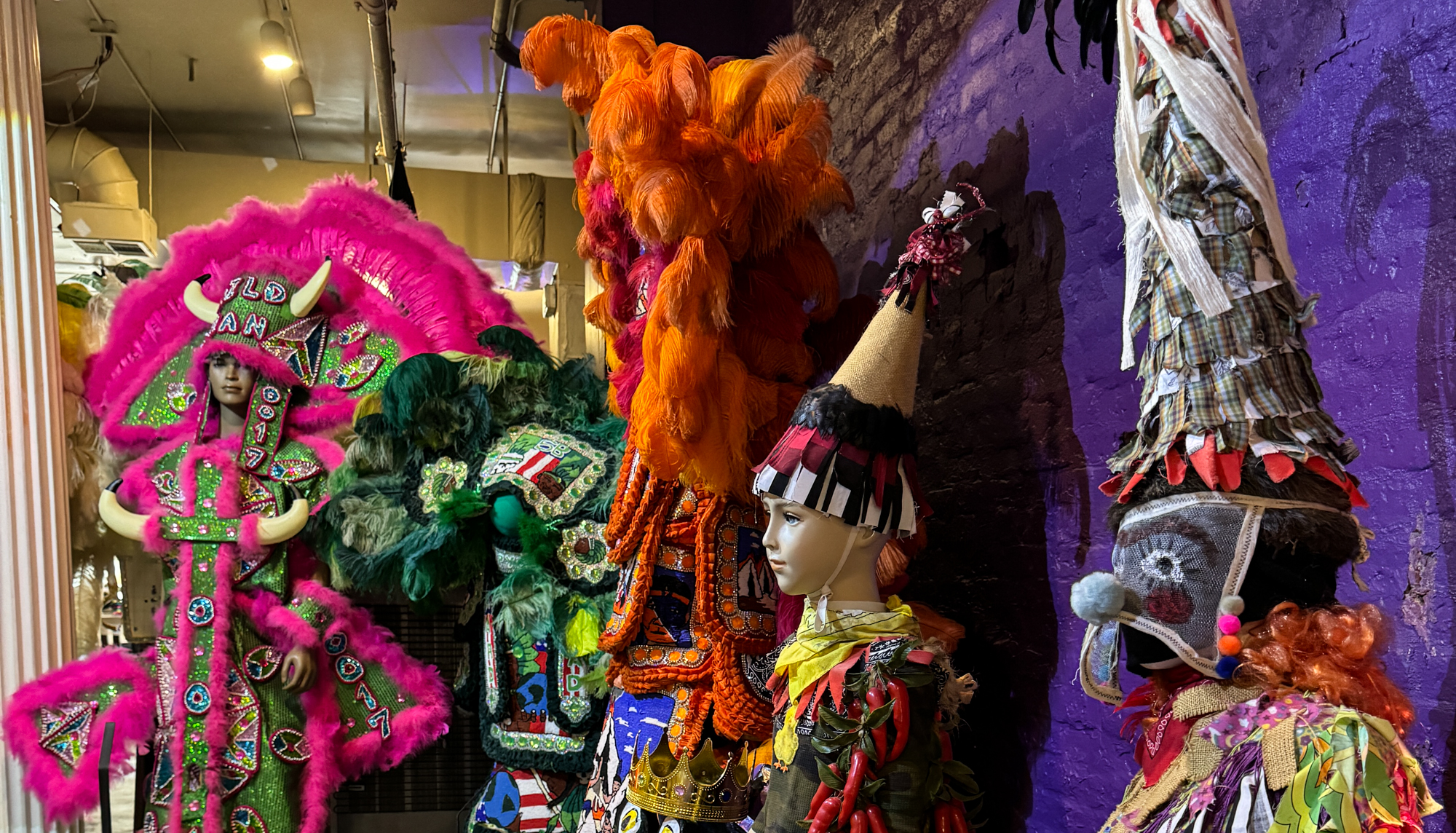
The intersection of Louisiana culture and colour with voodoo, is significant. This is a Black town and a queer town. There are as many rainbow flags hanging around the French Quarter as there are fleurs-de-lis banners. Voodoo is at home in both worlds. One of the most fabulous afternoons I’ve had this year involved a mini parade and dressing up session at the Mardi Gras Museum of Costumes and Culture. Co-founder and host Carl has been a crowned Mardi Gras queen on numerous occasions and has a lot to say about the culture of parades and Creole folklore. Just as there are houses and families of voodoo practitioners, so there are Mardi Gras “krewes”, and every parade element has its own meaning. The purple, green, and gold beads thrown from floats represent justice, faith and power, and you must never pick them up when discarded. But you should definitely go to the Museum to dress up as a jester, monarch, or giant black cat.
Kelley is a serious practitioner – an ordained vodou priestess who was raised, and remains, Catholic
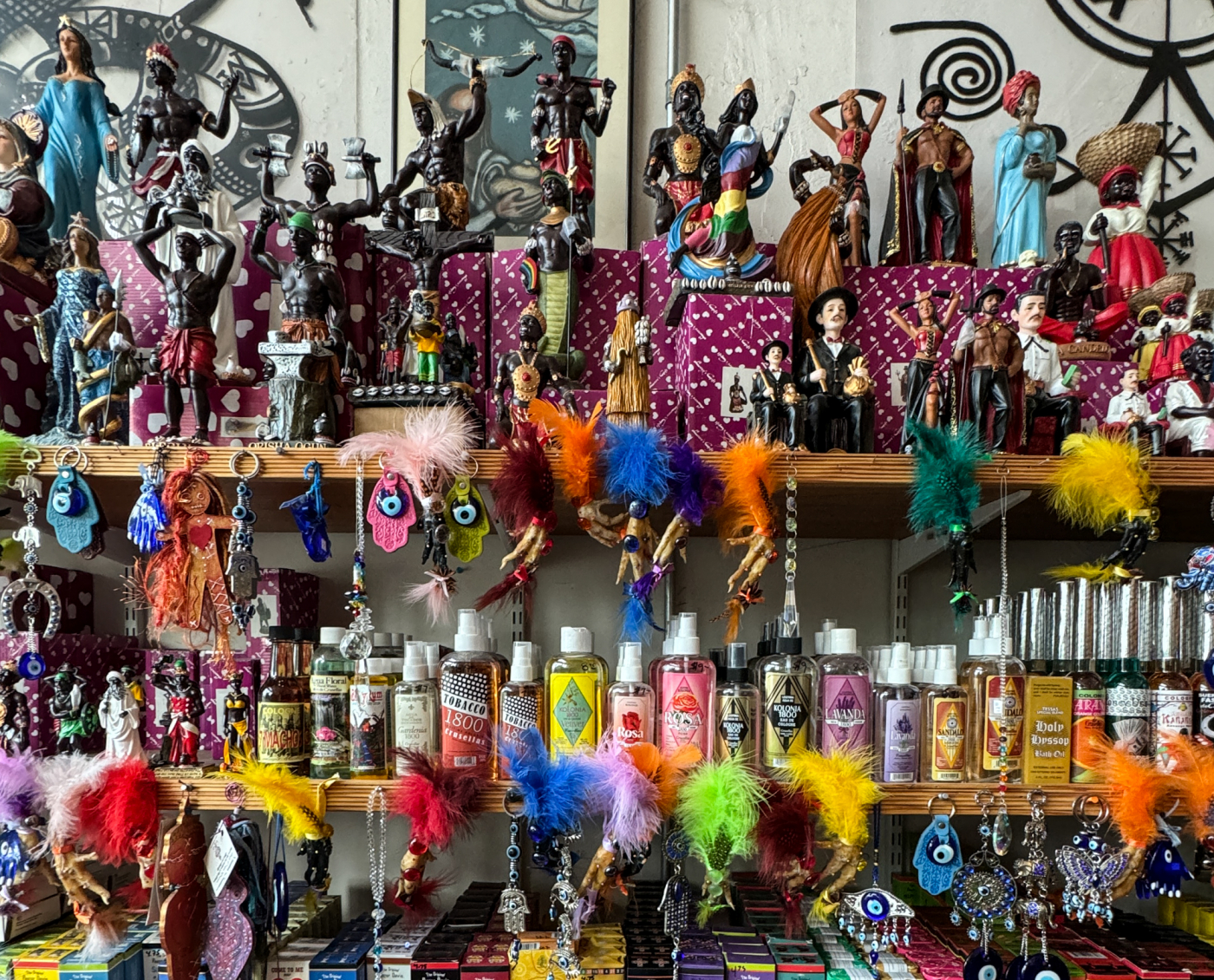
A few weeks before St. John’s Eve, I visited Sallie Ann Glassman at her Island of Salvation Botanica (pictured top of page), where she told me the majority of her house of 100 followers are “queer in some way”. In Haiti, LGBTQ individuals are “masisi”, their orientation attributed to the feminine spirit Ezili. There are numerous gay houngans (priests) who describe themselves as both “mother and father”, and it’s accepted that if a loa settles on you, you take on whatever its gender. The bulk of Glassman’s clients who come to her for counsel (often to have a candle “dressed” with oils and plants to give it fortune changing properties), are women of colour. “They come with relationship problems, or money issues,” she says. “I’m here for compassion, empathy, and to help. We really do see results.” While Glassman is a vodou priestess, she works with voodoo priests regularly – they are a kind of family not rivalry. The principles are the same: All of us exist in an unseen world of spirits, and we can commune with them through ritual.
Priestess Brandi Kelley’s Voodoo Authentica
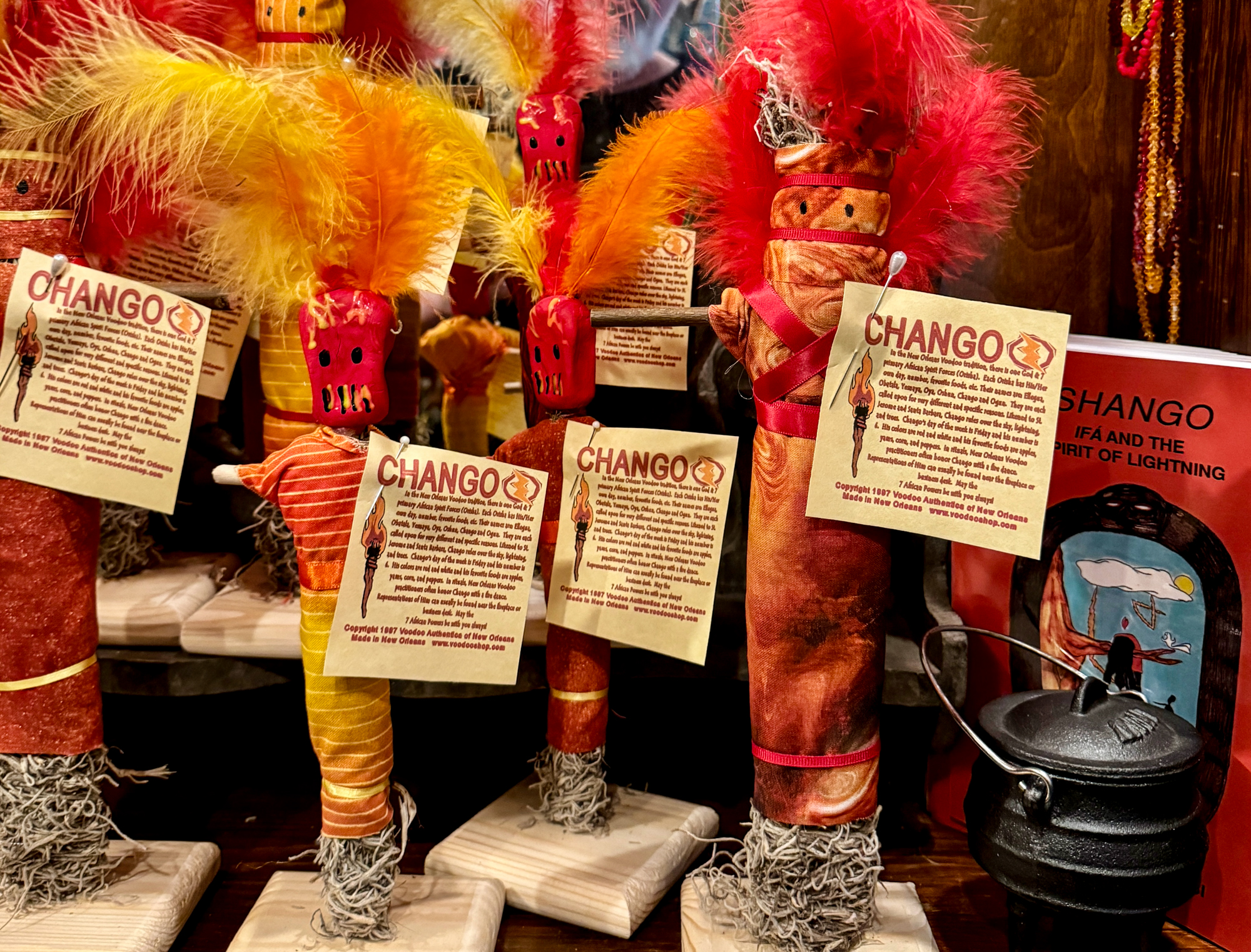
Another renowned botanica in the city is Priestess Brandi Kelley’s Voodoo Authentica. It’s in the middle of the French Quarter, and the products on sale – including Lady Luck, Baron Samedi, Ogun and Mama Brigitte dolls – are well made. Despite all the off-the-shelf spells, jujus and $40 alligator heads, Kelley is a serious practitioner – an ordained vodou priestess who was raised, and remains, Catholic. That particular, historic, Haitian idiosyncrasy remains alive and well.
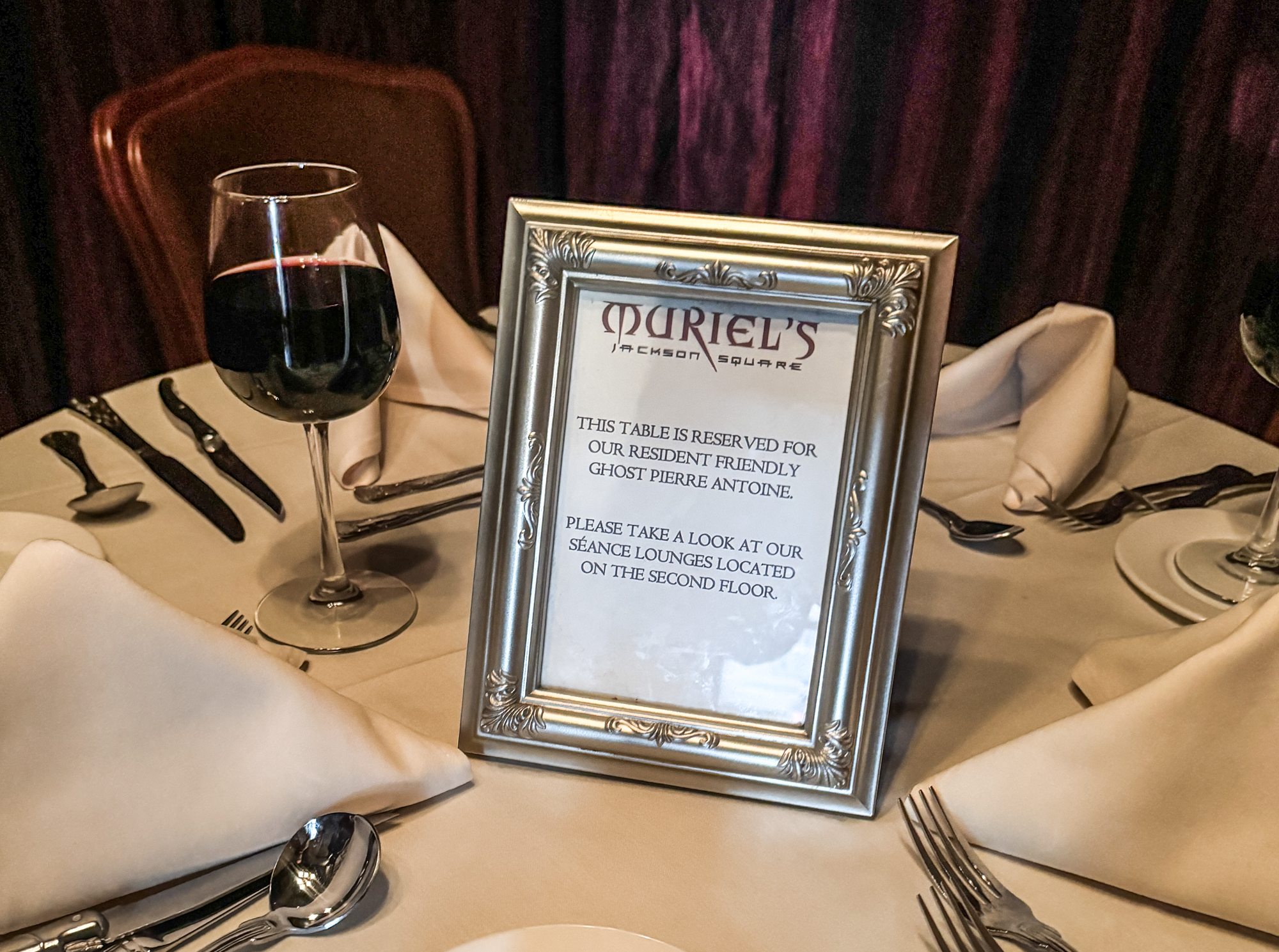
Muriel’s
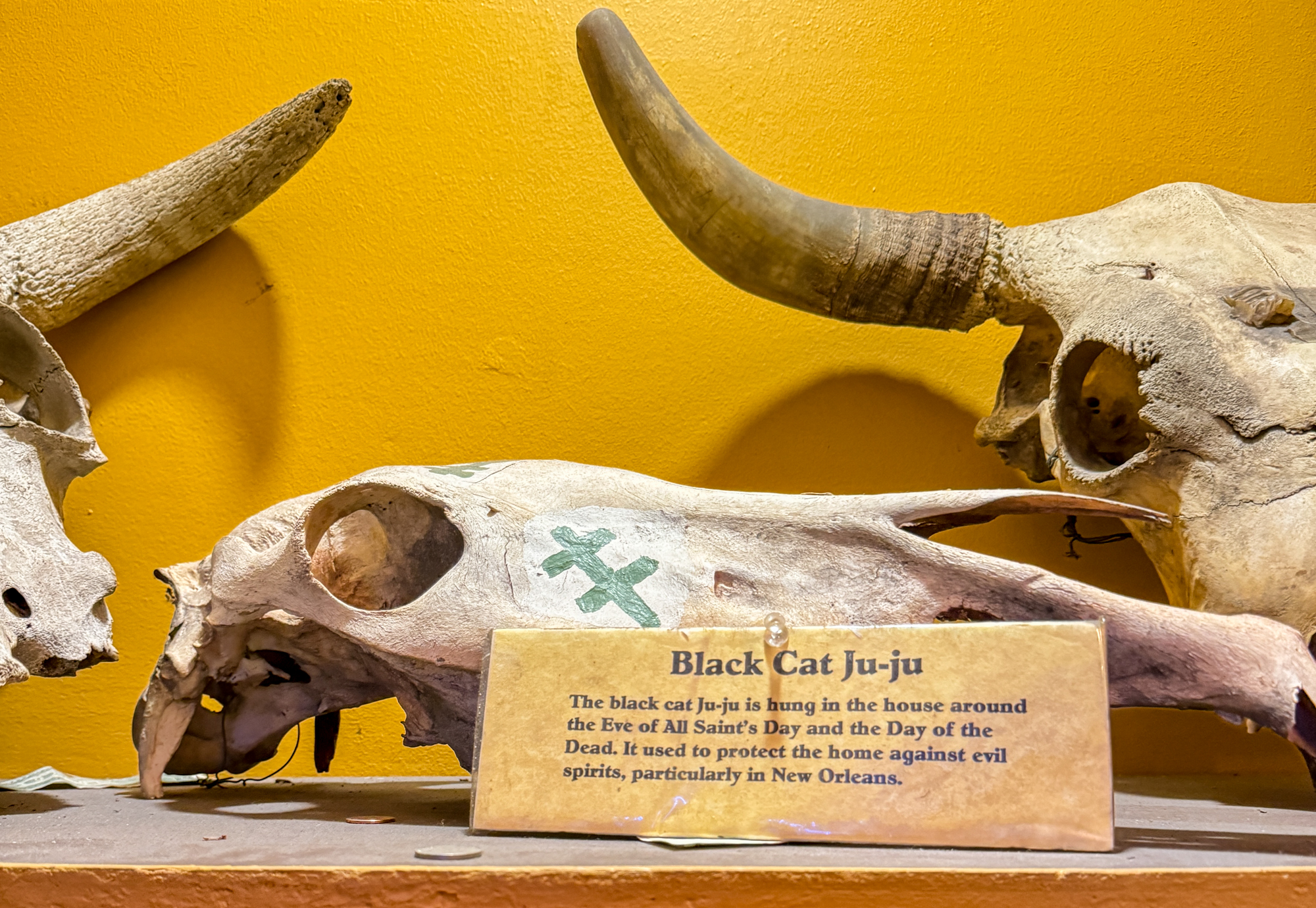
A few seconds away from Kelley’s store is the Voodoo Museum, a hotchpotch of donated artefacts and altars which gives a comprehensive overview of the history of voodoo in the city. The place is owned and managed by experts who also organise walking tours, starting with a solid explanation of everything exhibited. It’s been here since 1972, a serious resource for research as well as a tourist lark, and every priest and priestess in the city has links to it in some way.
A gris-gris is one of the most unique things you could take home with you. At the Island of Salvation you can order brightly decorated gris-gris bags, filled with herbs, stones, and your hair or nail clippings, magically charged and consecrated for your “special intention”. I didn’t get one (you need to order a month in advance). Instead, I opted for a $17.50 “chicken foot fetish”, a poultry claw painted red, bejewelled, and given a Mardi Gras touch with feathers. “They are to protect your property from thieves,” explained Sallie. “It’s ironic, because I’m vegetarian, and never get involved in any animal sacrifice with my vodou. But I put a lot of love and intention into each one. And they are my best-selling item.” Does it have the powers she suggests? Maybe. Regardless, it’s weird and beautiful and I want to believe in it. C